Case Studies of Sri Lanka, Africa, and European Investments
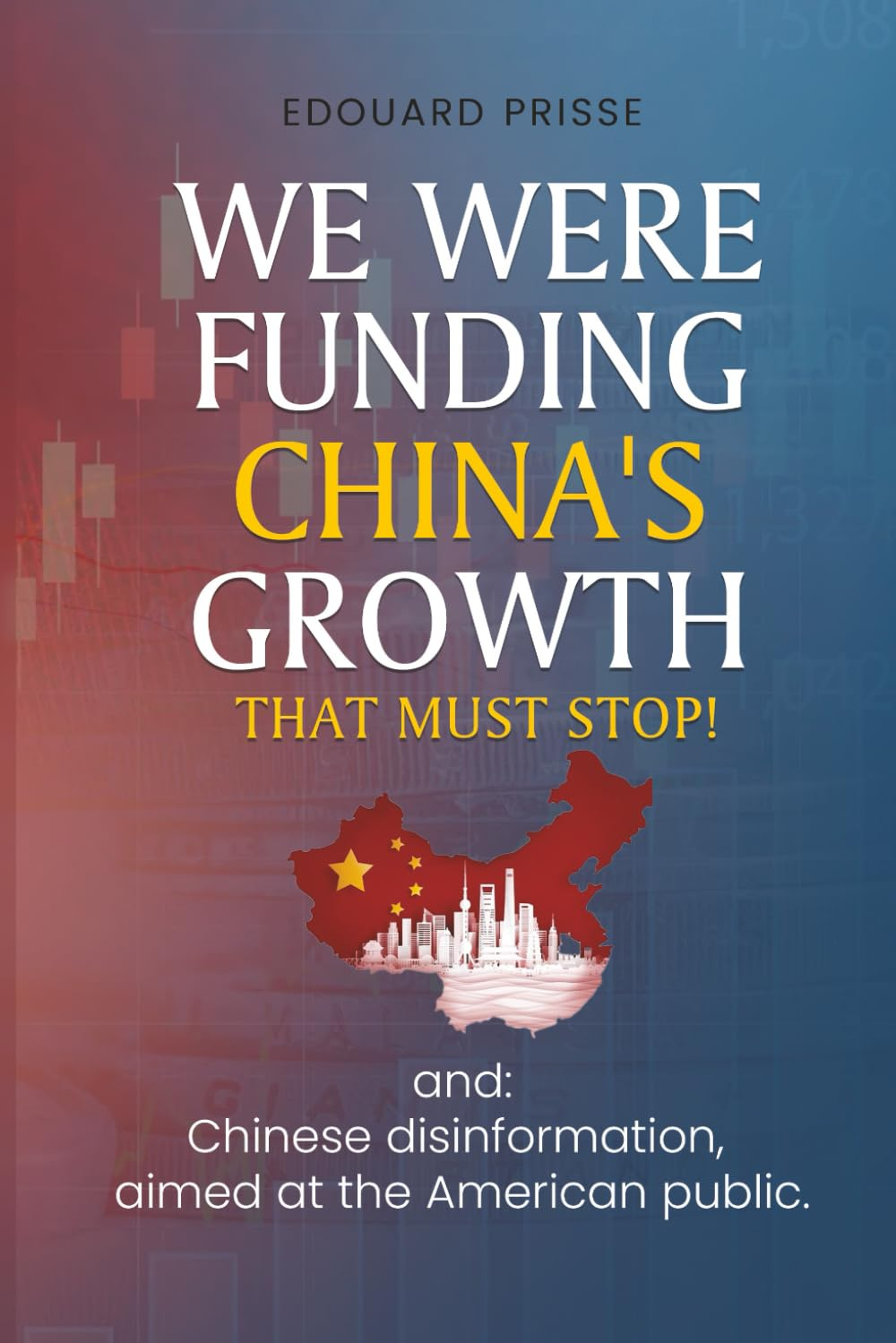
China is not just growing economically—it is using its financial power to reshape the global balance of power. In We Are Funding China’s Growth, Edouard Prisse examines how China’s enormous trade surplus is being used to influence developing nations, buy European assets, and gain strategic control over global infrastructure.
Through loans, investments, and debt traps, Beijing has positioned itself as a dominant player in global politics. Here’s how:
1. Sri Lanka: The Debt Trap Strategy
Sri Lanka is a textbook example of how China uses money to gain control over weak nations. As Prisse details:
- In 2010, China loaned billions to Sri Lanka to build a new seaport.
- The project failed to generate revenue, leaving Sri Lanka unable to repay its debt.
- In 2017, in return for the debt, China took control of the port under a 99-year lease, effectively making it a Chinese strategic asset.
This strategy—known as debt-trap diplomacy—allows China to extend loans to vulnerable nations and seize control when they default.
2. Africa: Buying Political Influence
China’s economic expansion in Africa is unprecedented, with Beijing investing billions in infrastructure projects. However, Prisse warns that:
- Many African nations are now heavily indebted to China, limiting their political autonomy.
- Chinese companies control major African mines, securing access to critical minerals like cobalt and lithium.
- China’s loans often come with conditions, such as requiring Chinese workers and materials, preventing local economies from benefiting.
By positioning itself as Africa’s biggest investor, China is effectively shaping the continent’s political and economic future.
3. Europe: Strategic Acquisitions in European Economies
While China’s influence is most visible in developing nations, Prisse highlights how Beijing has penetrated the European market as well.
- Greece: China invested heavily in Greece’s struggling economy, gaining control of the Port of Piraeus, now one of China’s key shipping hubs in Europe.
- Hungary: Chinese companies have secured major infrastructure contracts, influencing Hungary’s economic policies.
- Germany: Chinese firms have acquired stakes in critical German industries, including automobiles, chemicals, and engineering.
These investments buy China political leverage, making it harder for European governments to take a tough stance on Beijing.
The Cost of Ignoring China’s Economic Power
China is not just growing economically—it is using its financial power to dominate global politics. By strategically loaning money, acquiring assets, and investing in key industries, Beijing is building an empire without firing a single shot.
As Prisse warns, unless the U.S. and Europe recognize and counter China’s global financial expansion, they will soon find themselves outmaneuvered on the world stage.